
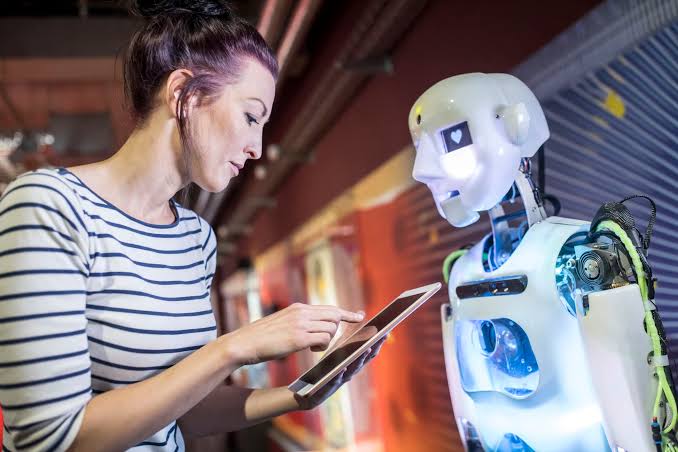
The phrase technology cannot replace humans RoarTechMental has become popular because more people are asking whether artificial intelligence will one day take over human jobs and responsibilities. As AI tools become smarter every year, many people feel excited, while others feel worried. This topic explains that even though technology has changed the way we work and live, it still depends on people to guide it. Technology can make many tasks easier, but it cannot truly become human.
The main idea behind the RoarTechMental perspective is simple. Technology is designed to help people, not replace them. AI can answer questions, organize information, and complete repetitive work within seconds. However, it cannot experience emotions, build meaningful relationships, or understand life the way humans do. Machines follow data and instructions, while people use feelings, values, memories, and experiences to make decisions. This difference is one of the strongest reasons why humans continue to play the most important role in every part of society.
“Technology is at its best when it empowers people instead of replacing them.”
| Topic | Details |
|---|---|
| Main Keyword | Technology Cannot Replace Humans RoarTechMental |
| Primary Focus | Human value, AI, automation, creativity, empathy |
| Search Intent | Informational |
| Best Audience | Students, professionals, business owners, AI learners |
Why Technology Cannot Replace Humans in Everyday Life
Every day, technology helps us in ways that were once impossible. We use smartphones to communicate, AI assistants to answer questions, online banking to manage money, and navigation apps to reach our destinations. These tools save time and improve convenience. However, they only perform tasks based on the information they receive. They do not understand happiness, sadness, fear, hope, or love. A person can comfort a friend who is struggling, understand emotions through facial expressions, and offer support from genuine care. These are human qualities that technology cannot copy.
Another important reason humans remain irreplaceable is our ability to think beyond facts. People make decisions by combining experience, emotions, culture, and ethics. For example, a doctor may use AI to study medical reports, but the doctor also listens to the patient’s concerns, explains treatment options with compassion, and helps families make difficult decisions. A teacher does more than explain lessons; they motivate students, recognize their strengths, and inspire confidence. These human interactions build trust, something machines cannot create.
Why Humans Are Different
- Empathy helps people understand another person’s feelings.
- Creativity allows new ideas to come from imagination.
- Critical thinking helps solve problems that have no clear answer.
- Ethics and values guide people to make responsible decisions.
- Relationships are built through trust, care, and shared experiences.
Interesting Fact
According to the World Economic Forum, AI is expected to create millions of new jobs while changing many existing ones. Most future workplaces will combine human skills with AI instead of replacing people completely.
What Technology Can Do Better Than Humans
Technology has many strengths that make it valuable in today’s world. Computers can process huge amounts of information in seconds, while humans might need hours or even days. AI systems can detect patterns in data, automate repetitive work, and reduce human errors in manufacturing, banking, and logistics. They can also work continuously without becoming tired, making them useful for routine tasks that require speed and consistency.
Even with these advantages, technology has limits. AI does not truly understand what it is doing. It predicts answers based on patterns found in data rather than personal understanding. If the information it receives is incomplete or incorrect, its results can also be inaccurate. This is why human supervision remains essential. The best results come when people use technology as a powerful assistant instead of depending on it for every important decision.
| Human Strengths | Technology Strengths |
|---|---|
| Emotional intelligence | Fast calculations |
| Creative thinking | Data analysis |
| Ethical decision-making | Automation |
| Adaptability | High-speed processing |
| Building relationships | Repetitive task execution |
Real-World Example
Hospitals now use AI to analyze X-rays and detect possible health problems. However, the final diagnosis is still made by qualified doctors who consider the patient’s symptoms, medical history, and personal situation before deciding on treatment.
Jobs Where Humans Will Always Be Needed
Many people worry that AI will replace every profession, but this is unlikely. Some jobs require emotional understanding, leadership, creativity, and communication that machines cannot genuinely provide. Teachers encourage students, psychologists help people overcome emotional challenges, and nurses comfort patients during difficult moments. These responsibilities involve trust and compassion, which cannot be programmed into software.
Creative professions also depend heavily on human imagination. Writers, artists, musicians, filmmakers, designers, and entrepreneurs create original ideas by drawing from personal experiences and emotions. AI can assist by generating suggestions or speeding up workflows, but the original vision usually comes from people. Great inventions, inspiring stories, and meaningful art are born from human curiosity and imagination rather than computer algorithms.
Careers That Depend on Human Skills
- Teachers and professors
- Doctors and nurses
- Therapists and counselors
- Artists and musicians
- Writers and journalists
- Business leaders
- Social workers
- Scientists and researchers
Case Study
Many companies now use AI to write first drafts of reports. However, experienced editors still review, improve, and fact-check every article before publication. This shows that AI increases productivity, but human expertise ensures quality and accuracy.
Humans and AI Working Together Instead of Competing
The future is not about humans fighting against technology. Instead, it is about working together. AI can handle repetitive work, organize information, and provide useful suggestions, allowing people to focus on creative thinking, innovation, and decision-making. Businesses that combine human talent with AI often become more productive because employees spend less time on routine tasks and more time solving meaningful problems.
Many industries already demonstrate this partnership. In healthcare, AI helps doctors identify diseases faster. In education, teachers use AI-powered learning tools to personalize lessons. In finance, software analyzes market trends while experts make investment decisions. These examples show that technology becomes more valuable when guided by human knowledge and judgment rather than operating independently.
Real Examples of Human-AI Collaboration
- Doctors use AI for faster medical imaging analysis.
- Teachers use AI tools to create personalized learning plans.
- Engineers use AI to improve product design.
- Customer support teams use chatbots while humans solve complex issues.
- Farmers use smart technology to improve crop production.
Interesting Fact
Research from Stanford University and other leading institutions continues to show that teams combining AI with skilled professionals often achieve better results than either humans or AI working alone.
Common Myths About Technology Replacing Humans
Many myths about artificial intelligence spread quickly online. One common belief is that robots will eventually replace every worker. In reality, history shows that new technologies usually change jobs instead of eliminating all of them. The internet, computers, and smartphones created entirely new careers that did not exist a few decades ago. AI is expected to follow a similar pattern by changing how people work while creating demand for new skills.
Another misconception is that AI is smarter than humans in every situation. AI performs extremely well with specific tasks like analyzing data or recognizing patterns. However, it cannot understand emotions, build friendships, or make ethical decisions using personal values. Human intelligence is much broader because it includes emotional intelligence, creativity, intuition, and life experience. These qualities remain difficult for machines to imitate.
Myth vs Reality
- Myth: AI will replace every job.
Reality: AI will automate many tasks but also create new opportunities. - Myth: AI has emotions.
Reality: AI only simulates conversation and emotions. - Myth: Robots think like humans.
Reality: They follow algorithms and learned patterns. - Myth: Technology makes human skills useless.
Reality: Human skills become even more valuable as technology advances.
Final Thoughts on Technology Cannot Replace Humans RoarTechMental
The discussion around technology cannot replace humans RoarTechMental reminds us that innovation should improve human life rather than replace human value. Artificial intelligence continues to transform industries, increase productivity, and solve complex problems. These achievements are remarkable, but they do not reduce the importance of empathy, creativity, communication, leadership, and ethical thinking. These qualities remain deeply human and cannot be copied by machines.
Looking ahead, the smartest approach is to embrace technology while continuing to develop human skills. People who learn to work alongside AI will be better prepared for future careers and opportunities. Instead of fearing technology, we should understand its strengths and limitations. When humans and technology work together, society benefits from the speed of machines and the wisdom, compassion, and imagination of people.
Frequently Asked Questions
Can technology completely replace humans?
No. Technology can automate many tasks, but it cannot fully replace human emotions, creativity, ethical judgment, and meaningful relationships.
Why is empathy important in the AI era?
Empathy helps people understand feelings and build trust, something AI cannot genuinely experience or provide.
Which jobs are least likely to be replaced by AI?
Healthcare, education, counseling, leadership, creative arts, and scientific research will continue to need human expertise.
Can AI become conscious like humans?
Current AI systems do not possess consciousness or self-awareness. They operate using data, algorithms, and learned patterns.
What is the biggest advantage of humans over AI?
Humans combine intelligence with emotions, creativity, ethics, adaptability, and life experience, making them uniquely capable of solving complex real-world problems.
Read more:Peter Buchignani: The Untold Story Behind Carley Shimkus’ Successful Husband
